

Lab-Grown vs. Natural Diamonds: What's the Difference?
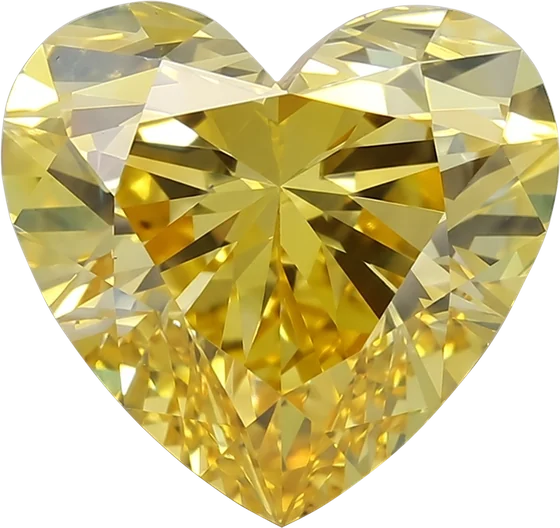
Lab-grown diamonds are one of the most talked-about topics in jewelry. Here are the answers to the questions we are asked most often.
Are lab-grown diamonds real?
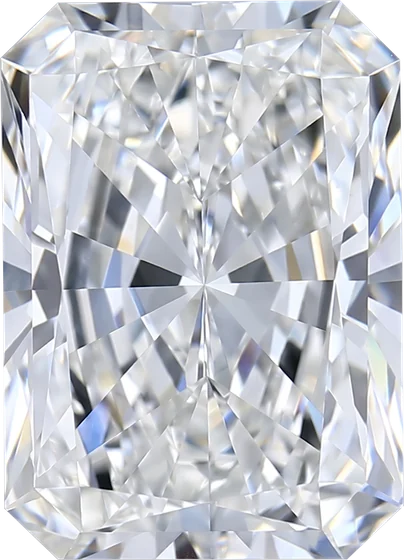
Yes. A lab-grown diamond is a diamond – carbon with the same crystal structure, hardness (10 on the Mohs scale) and optical properties as a natural one. It is not an imitation like cubic zirconia or moissanite. The only difference is its origin: a natural diamond formed deep in the earth millions of years ago, a lab-grown one in a controlled environment within a few weeks.
Can they be told apart?
Not with the naked eye, and not with an ordinary jeweler's loupe. A diamond's origin is determined with highly specialized laboratory equipment. At VALENTIN Gold & Diamonds, transparency and confidence in choosing a diamond matter greatly to us, so every piece we make with a natural or lab-grown diamond of 0.30 ct and above comes with a certificate from the IGI or GIA laboratory confirming the stone's origin. The diamond grading report or certificate of origin is an integral part of the documents we give our clients when they buy a diamond piece – whether the diamond is natural or lab-grown.
How are lab-grown diamonds made?
A lab-grown diamond is made by one of two methods. Either way, the result is a real diamond, with the same composition, hardness and brilliance as a natural one.
Methane and hydrogen are turned into plasma inside a chamber, and carbon atoms settle layer by layer on a thin diamond plate. Growing one crystal takes several weeks.
A small diamond crystal is placed in carbon at a pressure of over 50,000 atmospheres and a temperature of about 1,500 °C – conditions like those deep in the earth, where natural diamonds form.
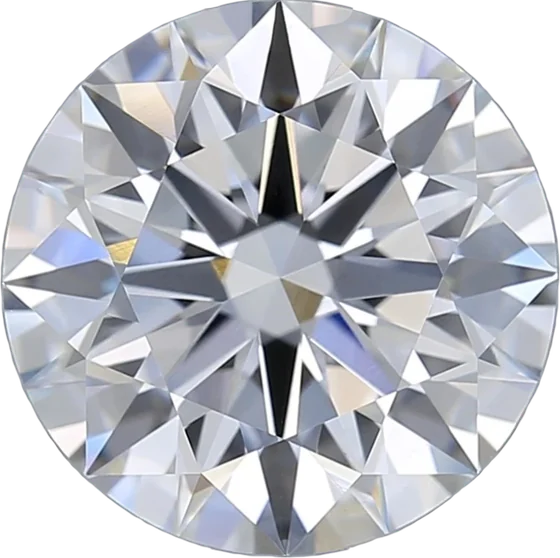
The rough crystal is then cut and polished exactly like a natural diamond. That is why, with a lab-grown diamond too, the sparkle depends mostly on the cut.
How does the report show the origin?
The IGI or GIA report states clearly that the stone is laboratory-grown, and often the growth method too – CVD or HPHT. The report number and a note that the diamond is lab-grown are usually laser-inscribed on the girdle as well, so the origin can be checked at any time.
Comparison
| Natural diamond | Lab-grown diamond | |
|---|---|---|
| Composition and hardness | Carbon, 10 on the Mohs scale | Carbon, 10 on the Mohs scale |
| Sparkle | Depends on the cut | Depends on the cut |
| Origin | Formed in the earth | Created in a laboratory |
| Rarity | Rare, a limited resource | Produced on demand |
| Price for the same quality | Higher | Significantly lower |
| Certificate | GIA, IGI and others | IGI, GIA and others |
How much do lab-grown diamonds cost?
For the same size and quality, a lab-grown diamond costs significantly less than a natural one, so with lab-grown engagement rings the budget stretches to a larger stone. In our catalog they start at around €1,370, and even the most expensive designs stay under €10,000. Natural diamond engagement rings start at around €1,680, and designs with large stones reach about €45,000.
Natural diamondfrom €1,680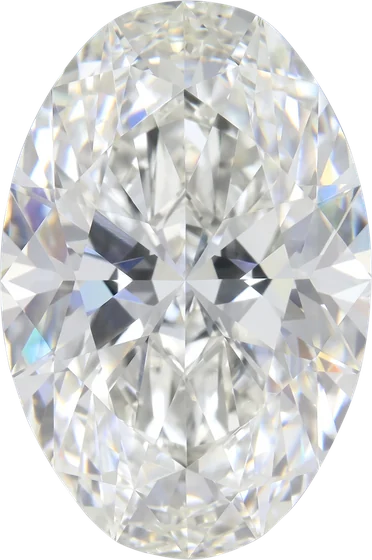 Lab-grown diamondfrom €1,370
Prices as of October 31, 2026. The final price depends on the diamond and gold you choose.
Colored lab-grown diamonds
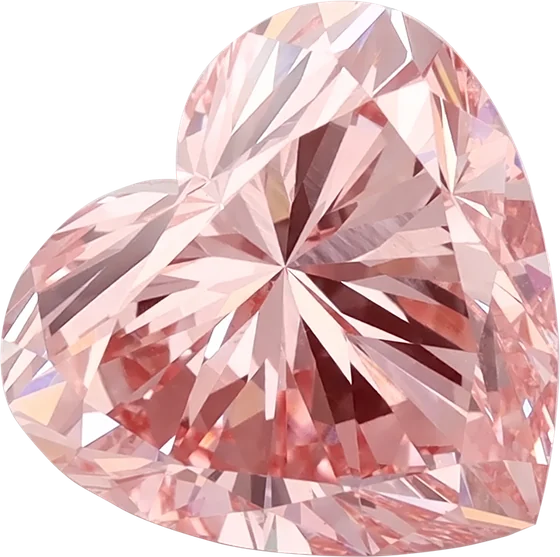
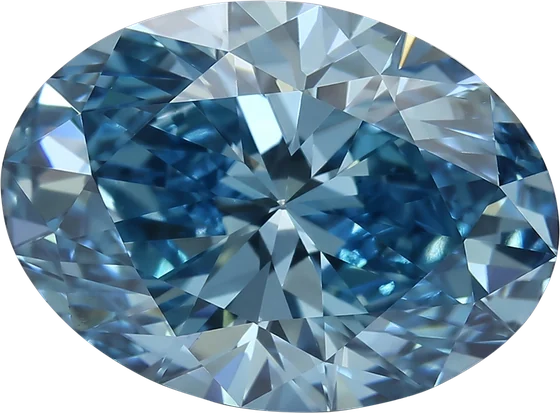
In nature, colored diamonds are extremely rare – only a small share of mined diamonds have a strong color. In the lab, diamonds can be grown in pink, blue, yellow, green and orange-red. Color intensity is graded on the same scale as for natural diamonds – Fancy, Fancy Intense and Fancy Vivid, with Fancy Vivid the most intense.
-
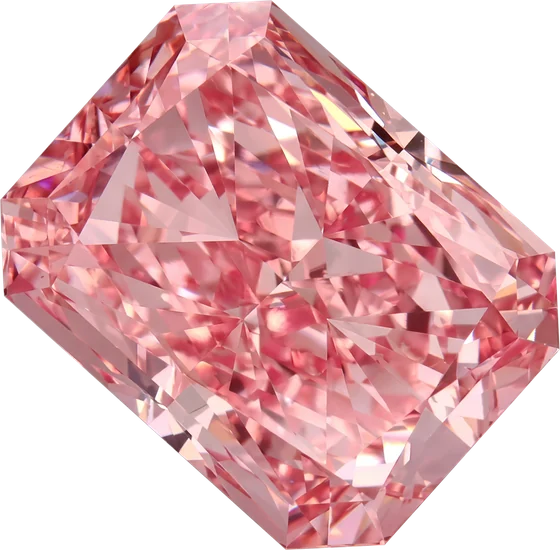
Fancy Vivid Pink2.33 ct
-
Fancy Vivid Blue3.08 ct
-
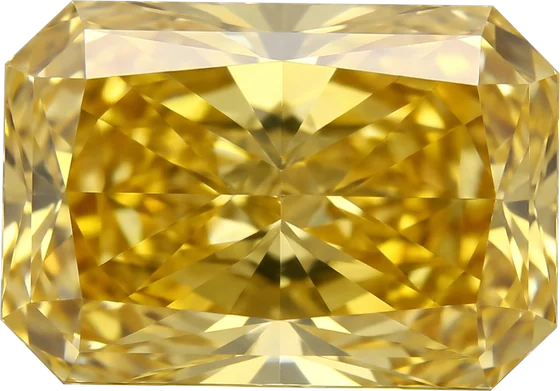
Fancy Vivid Yellow2.00 ct
-
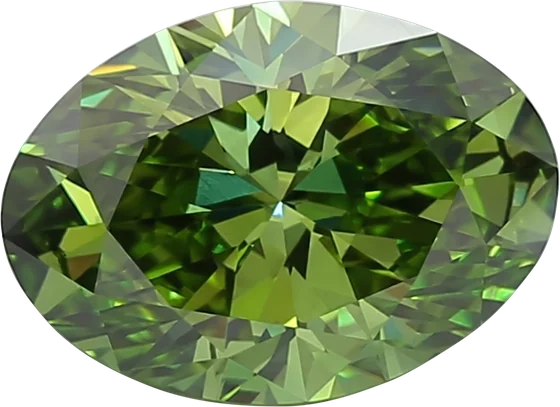
Fancy Vivid Green1.52 ct
-
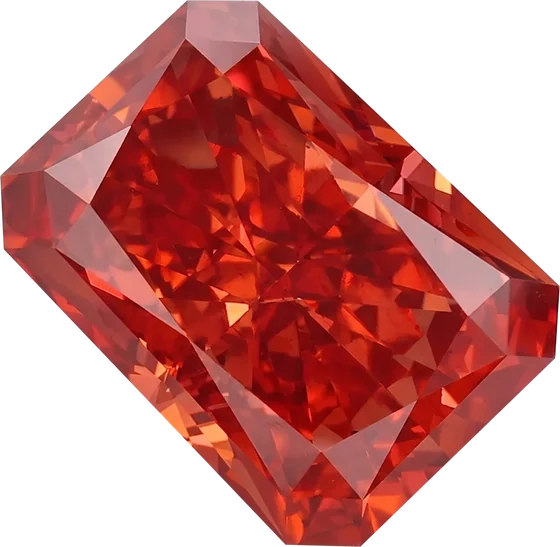
Fancy Vivid Orange Red5.08 ct
-
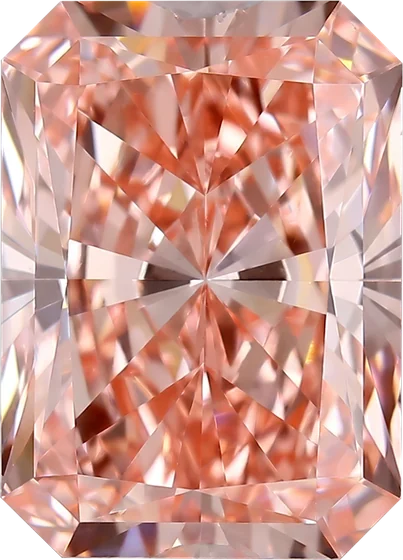
Fancy Intense Pink4.06 ct
A wide range of lab-grown diamonds in our jewelry
What do Fancy, Fancy Intense and Fancy Vivid mean?
For colored diamonds, the lab (GIA or IGI) grades how strong and saturated the color is, looking at the stone face-up – the way it is seen in the jewelry. The grades are:
| Grade | What it means |
|---|---|
| Faint, Very Light, Light | a barely noticeable tint |
| Fancy Light | a light, delicate color |
| Fancy | a clearly visible color |
| Fancy Intense | a strong, saturated color |
| Fancy Vivid | the strongest, purest color – the top grade |
| Fancy Deep | a saturated, darker color |
| Fancy Dark | a dark color |
The report gives the grade together with the color, for example Fancy Intense Pink or Fancy Vivid Orange Red. When the color is described with two words, the last one is the main color and the first is the secondary tint. For the same size, a more saturated color means a rarer and usually more expensive diamond.
With lab-grown diamonds, the color comes about during growth – for example, traces of boron give a blue color and nitrogen a yellow one – or through treatment after growth. The report states this too.
Which should you choose?
Choose a natural diamond, if uniqueness and the feeling that your stone was created by nature matter to you. Choose a lab-grown diamond, if you want a higher-grade stone for the same budget. Either way, brilliance depends above all on the cut – which is why we hand-select every stone, whatever its origin.
Lab-grown and natural diamonds at VALENTIN Gold & Diamonds
We make jewelry with lab-grown and natural diamonds, in 14K or 18K gold. Browse our engagement rings with lab-grown diamonds, engagement rings with natural diamonds or read how to choose an engagement ring.