Laboratory grown diamond
Lab-grown diamonds
A real diamond, made by people
A lab-grown diamond is a real diamond, with the same composition, hardness and brilliance as a natural one. The only difference is the origin: one forms deep in the earth, the other is grown in a laboratory.
Is it a diamond?
- Lab-grown
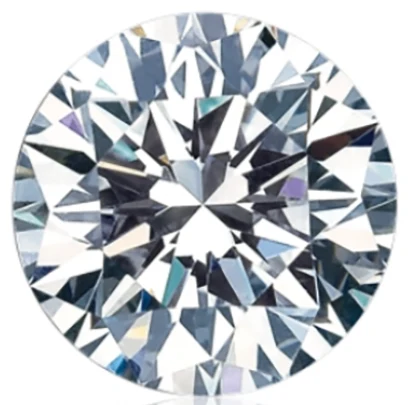 ✓ Yes
- Earth mined
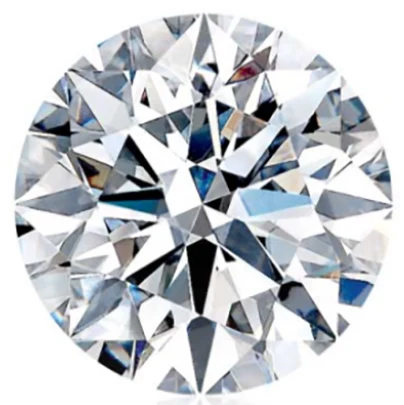 ✓ Yes
Laboratory grown diamond
What is a lab-grown diamond?
Diamonds created in a laboratory go by different names – lab-created, lab-made and others. All of them point out that these diamonds are produced by technology rather than mined from nature.
Lab-grown diamonds are grown in high-tech laboratories with advanced technologies that recreate the conditions in which natural diamonds form deep in the earth.
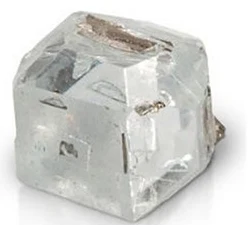
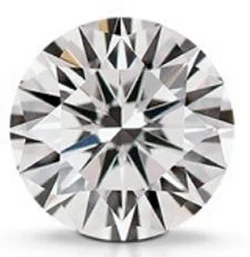
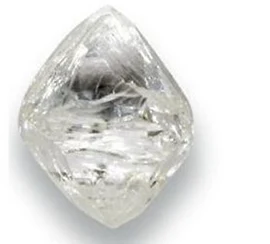
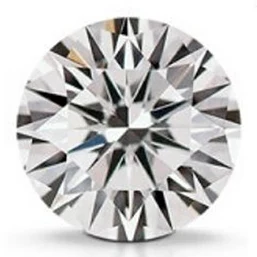
The origin is the main thing that sets lab-grown diamonds apart from natural ones – they have essentially the same chemical, optical and physical properties and the same crystal structure.
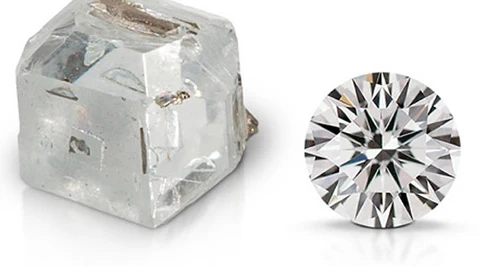
Chemically, physically and optically identical to naturally occurring diamondsChemically, physically and optically identical to natural diamonds
 →
 →
A little history
A little history
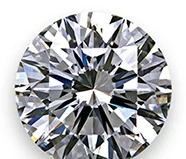
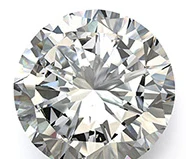
- 1950
In the 1950s, lab-grown diamonds were made for the first time, with the HPHT method – for industrial use. They were used in telecommunications and laser optics, as abrasives and more.
- 1970
In the 1970s, General Electric researchers grew the first gem-quality diamonds in the lab – clean enough and large enough to be set in jewelry.
- 1980
In the 1980s, lab-grown diamonds were mostly small and yellowish or brownish, but their quality improved over the following decades.
- 2000
In 2000, a new technology arrived – diamonds made with the CVD method, which needs lower pressure and lower temperatures than HPHT.
- 2010
In 2010, colorless lab-grown diamonds reached the jewelry market in commercial quantities. Both HPHT and CVD remain popular methods for growing diamonds.
- 2018
In 2018, De Beers invested 100 million dollars and introduced its own diamond-growing technology to consumers, offering lab-grown diamonds of exceptional quality at an accessible price.
Origin
How the origin is identified
A diamond’s origin can only be identified in a gemological laboratory with special instruments. They detect small differences in trace elements and crystal growth, and so tell whether a diamond was grown in a lab or is natural.
“Laboratory-grown diamonds are becoming a popular alternative for many people, as they can have the same beauty and properties as a mined diamond and are often more affordable.”
Gemological Institute of America (GIA)
GIA report
Lab-grown diamond report
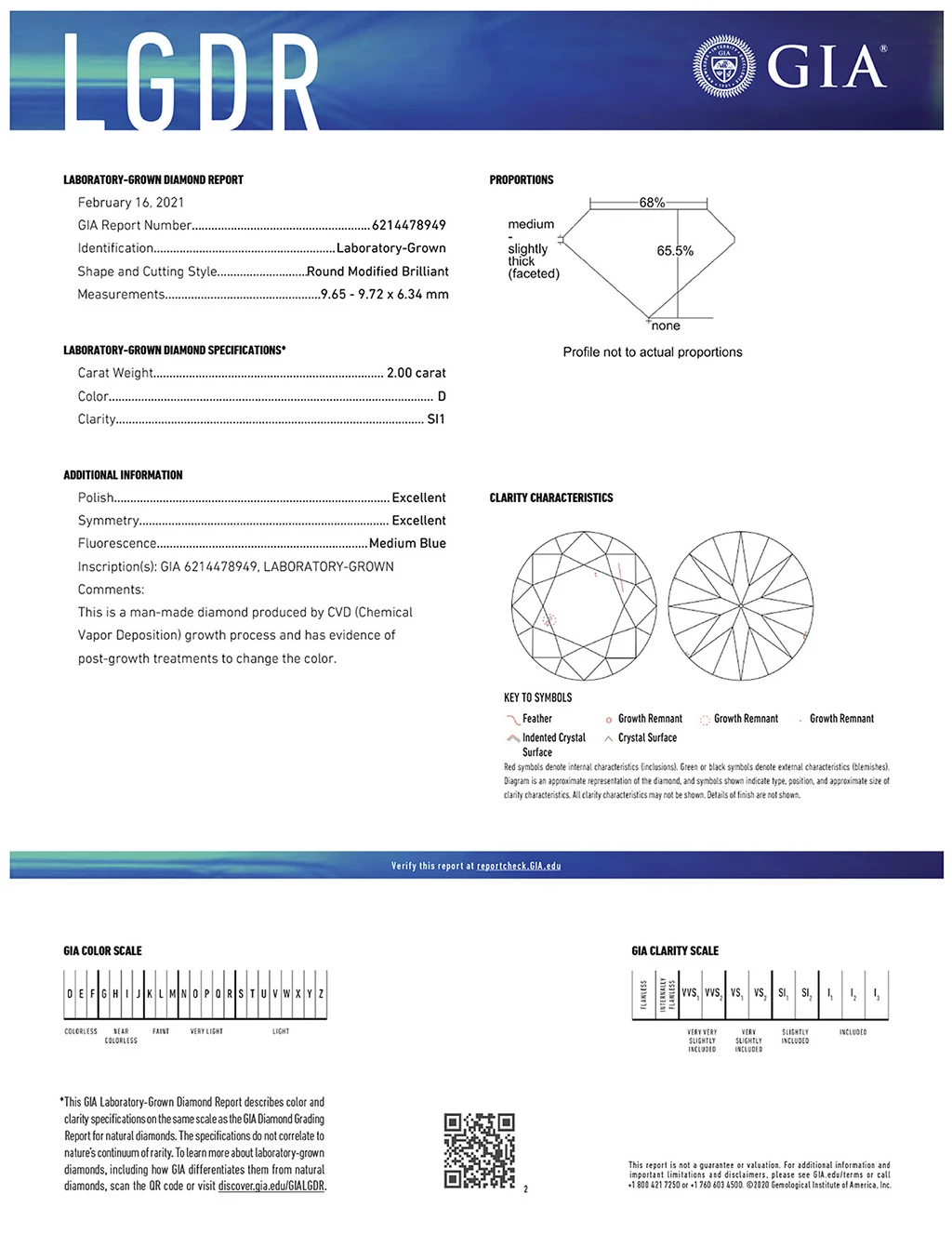
Lab-grown diamonds are graded on the same 4Cs – color, clarity, cut and carat – and on the same scales as natural ones. The GIA Laboratory-Grown Diamond Report states clearly that the stone is laboratory-grown, and the report number and the words LABORATORY-GROWN are laser-inscribed on the diamond’s girdle.
In the example: a 2.00 ct diamond, color D, clarity SI1, excellent polish and symmetry, grown with the CVD method.
VALENTIN Gold & Diamonds
VALENTIN Gold & Diamonds is a Bulgarian company founded in 1986, offering fine jewelry and precious stones. Our jewelry is a benchmark of quality and individuality. We put our clients first and follow every current standard of security and professional ethics in offering diamond jewelry. Diamonds of 0.30 ct and above come with an individual GIA or IGI report.
With compliments of